
Planning Your First Wildlife Adventure: Where to Start?
There's something pretty special about seeing animals in the wild for the first time. From spotting kangaroos, koalas and dingoes in Australia to watching macaque monkeys in Thailand and puffins nesting along Iceland's cliffs, I've been lucky enough to experience some amazing wildlife encounters. And it's definitely left me wanting to see more!
If you're thinking about planning your first wildlife adventure, you might be wondering where to start. There are so many incredible places to visit and animals to see, but there's also something else worth thinking about: how to make sure your experience is a positive one for the animals too.
As much as we'd all love to get up close to our favourite animals, it's important to remember that wildlife encounters should always put animal welfare first. The best experiences are those where you can watch animals behaving naturally, without disturbing them or interfering with their environment.
Where would you like to go?
The first thing to think about is what kind of wildlife you'd love to see. Are you dreaming of an African safari, exploring a tropical rainforest or spotting marine life out at sea?
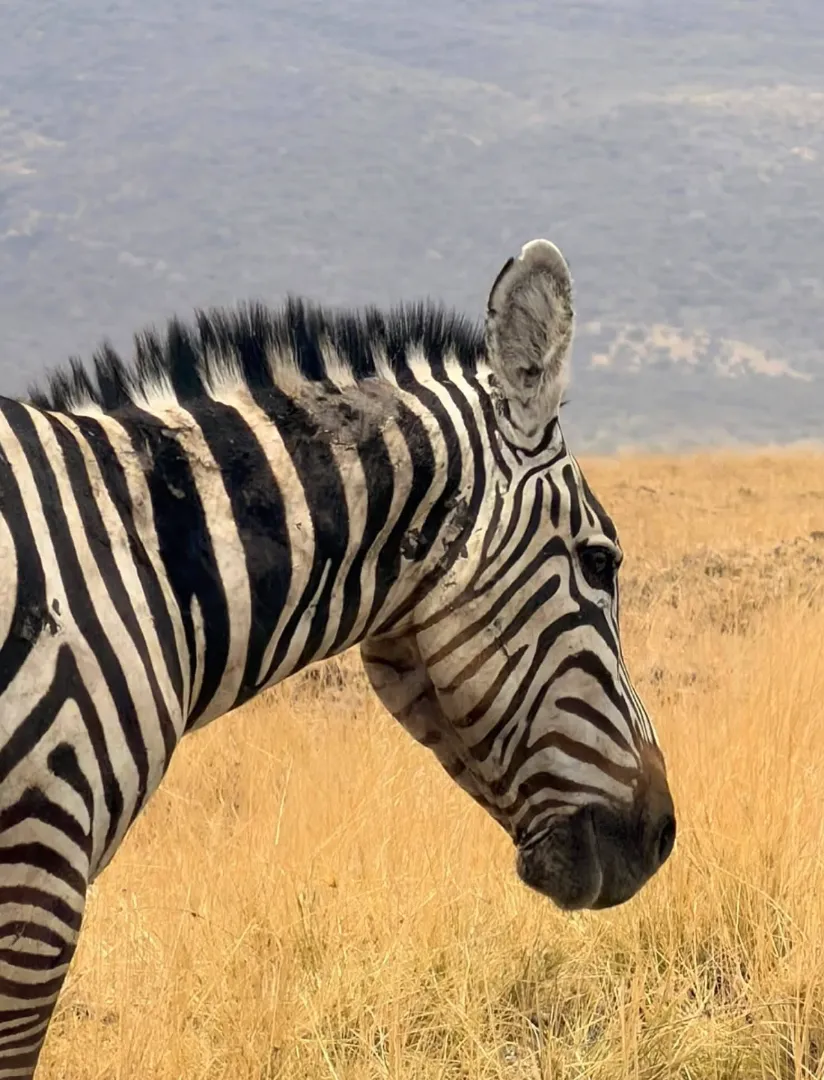
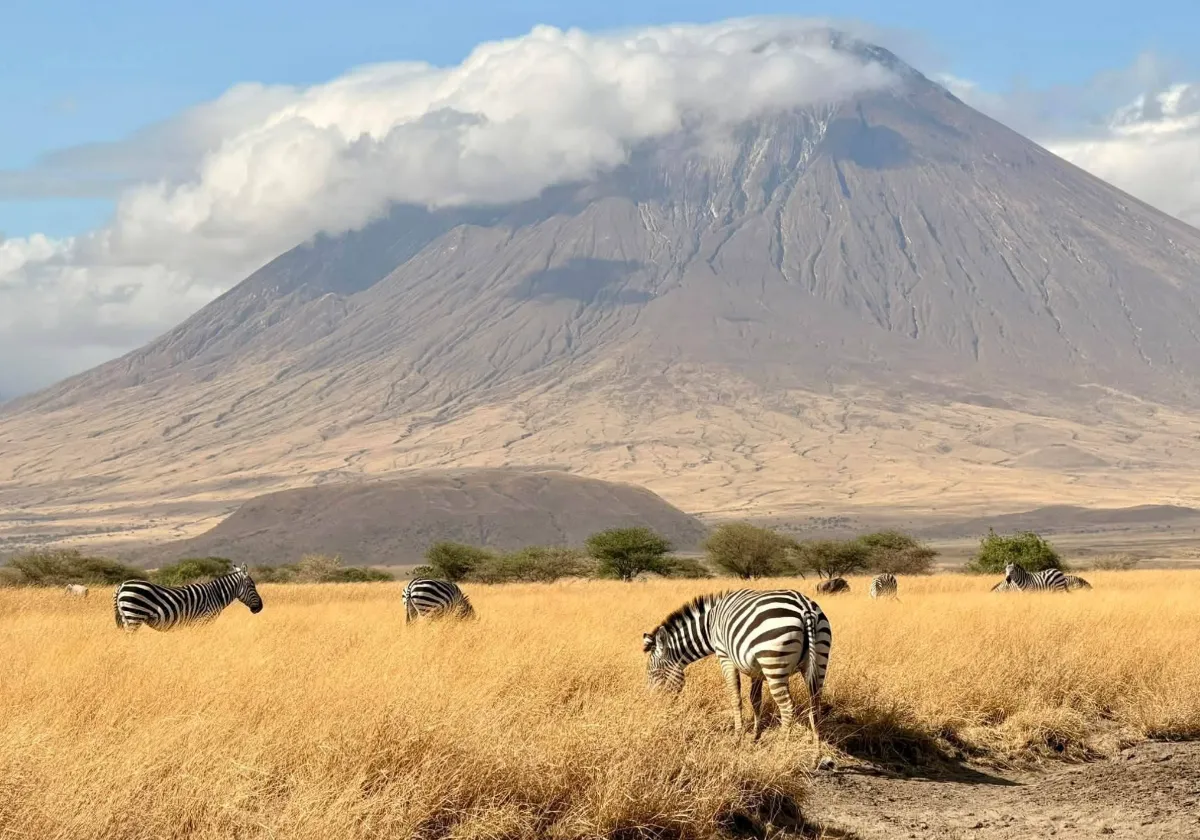
An African safari is a brilliant place to start if you want to see some of the world's most iconic animals. Imagine heading out on a guided game drive and spotting lions, leopards, elephants, rhinos and buffalo roaming freely in their natural habitat. There's nothing quite like seeing these animals in the wild, and our African Safari adventure gives you the chance to experience it for yourself.
If you're more interested in rainforest wildlife, Costa Rica is another fantastic option. It's home to an incredible variety of animals, including sloths, monkeys, toucans and colourful frogs. Exploring with a knowledgeable local guide is a great way to spot wildlife while learning more about the habitats they depend on. You can experience this on our Costa Rica adventure.
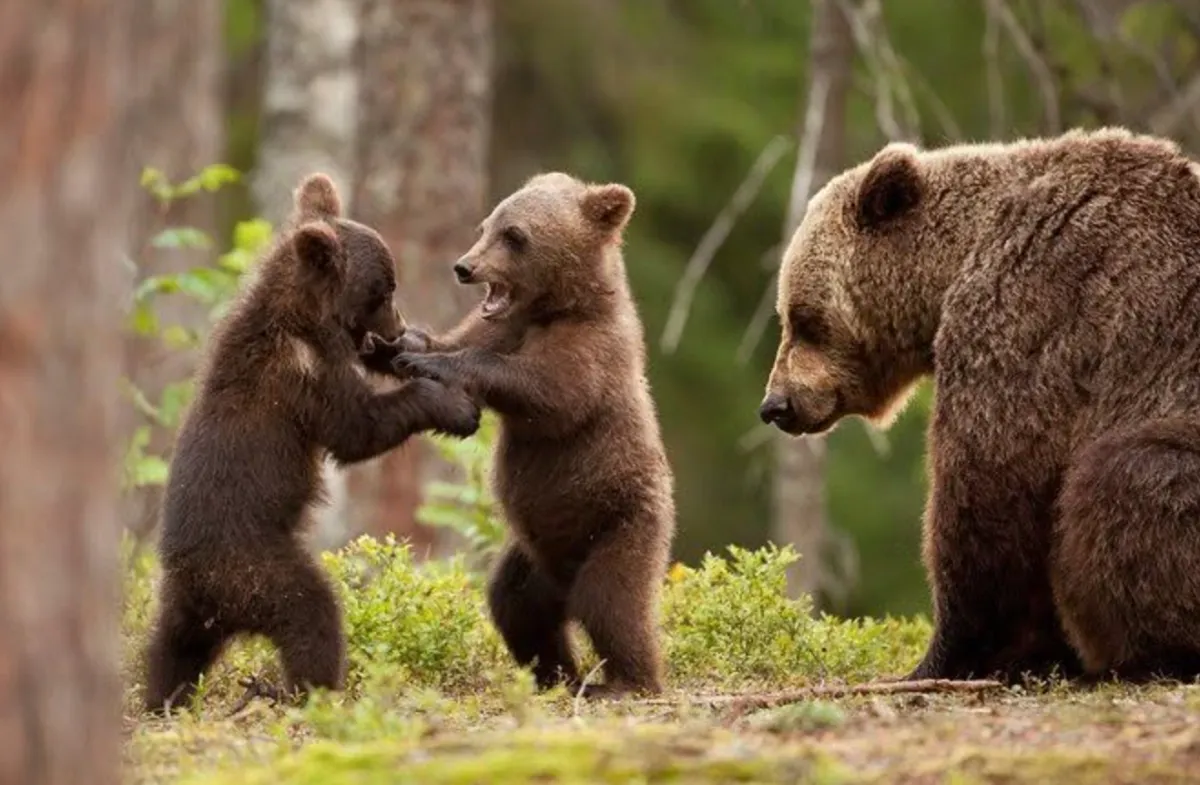
Or perhaps you'd love to see bears? Our Romania adventure includes a visit to a world-famous bear sanctuary, where you can learn about rescued bears and the work being done to give them a safer life. It's a chance to understand more about the challenges these animals face and why responsible sanctuaries are so important.
And there's more exciting news! We're also looking forward to announcing a gorilla trekking adventure in Uganda very soon. Seeing mountain gorillas in their natural rainforest habitat is an incredible experience, and responsible trekking helps protect these amazing animals and the places they call home.
Why ethical wildlife experiences matter
It's easy to get caught up in the excitement of seeing an animal up close, but it's worth doing a little research before booking any wildlife experience. Not every activity that involves animals has their best interests at heart.
A good rule of thumb is to look for experiences where animals are free to behave naturally and visitors are there to observe, rather than interact with them.
Here are a few things to look out for:
- Avoid unnecessary contact: Be especially cautious of experiences involving riding, touching, holding or feeding wild animals.
- Give animals space: Responsible tours will make sure visitors keep a respectful distance and don't disturb animals to get a better view.
- Do your research: If you're visiting a sanctuary or rescue centre, find out about its work, how the animals are cared for and whether their welfare comes before visitor experiences.
- Look for conservation efforts: Responsible wildlife tourism can help support local communities, protect habitats and fund important conservation work.
- Listen to your guides: Follow their advice and any rules in place to keep both visitors and animals safe.
Sometimes the best wildlife encounter is simply sitting quietly and watching an animal go about its day. You might not get that perfect close-up photo, but you'll know you're giving it the space it needs.
How active do you want your trip to be?
It's also worth thinking about how much activity you're comfortable with.
If you prefer a slower pace, a traditional safari is a great option. You'll usually head out on game drives early in the morning or later in the afternoon, with plenty of time to relax in between.
If you're feeling a little more adventurous, guided nature walks, boat trips and rainforest hikes are great ways to explore. They also give you the chance to spot smaller creatures and discover more about the places you're visiting.
For something more challenging, gorilla trekking can involve several hours of hiking through dense rainforest and uneven terrain. You'll need a reasonable level of fitness, and it's important to follow your guide's instructions. Visitor numbers and viewing times are also carefully managed to help protect the gorillas.
How long should you go for?
This really depends on where you want to go and how much time you have.
If it's your first wildlife adventure, 5–7 days is a great starting point. It's enough time to explore one destination, enjoy a few wildlife experiences and settle into the trip without feeling rushed.
If you've got a little longer, an 8–12 day trip gives you more flexibility. You could spend a few days spotting wildlife on the savannah before heading somewhere new to explore different landscapes and habitats.
For more remote destinations, such as Madagascar or Antarctica, it's worth setting aside 14 days or more. These places can take a little longer to reach, so you'll want enough time to make the journey worthwhile.
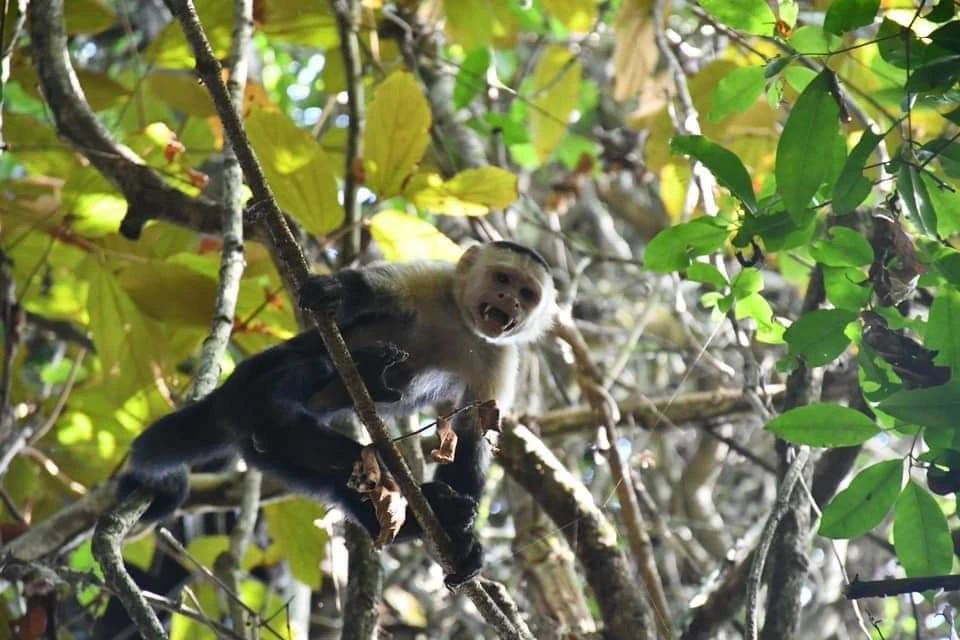
Ready for your first wildlife adventure?
There's so much to discover when it comes to wildlife travel. Whether you're watching elephants roam across the African savannah, spotting sloths in Costa Rica or learning about rescued bears in Romania, every experience offers something different.
The most important thing is to enjoy it, stay curious and remember that the animals should always come first. By choosing responsible experiences and giving wildlife the space it needs, you can make some incredible memories while helping protect the animals and habitats we all love.
So, where will your first adventure take you?
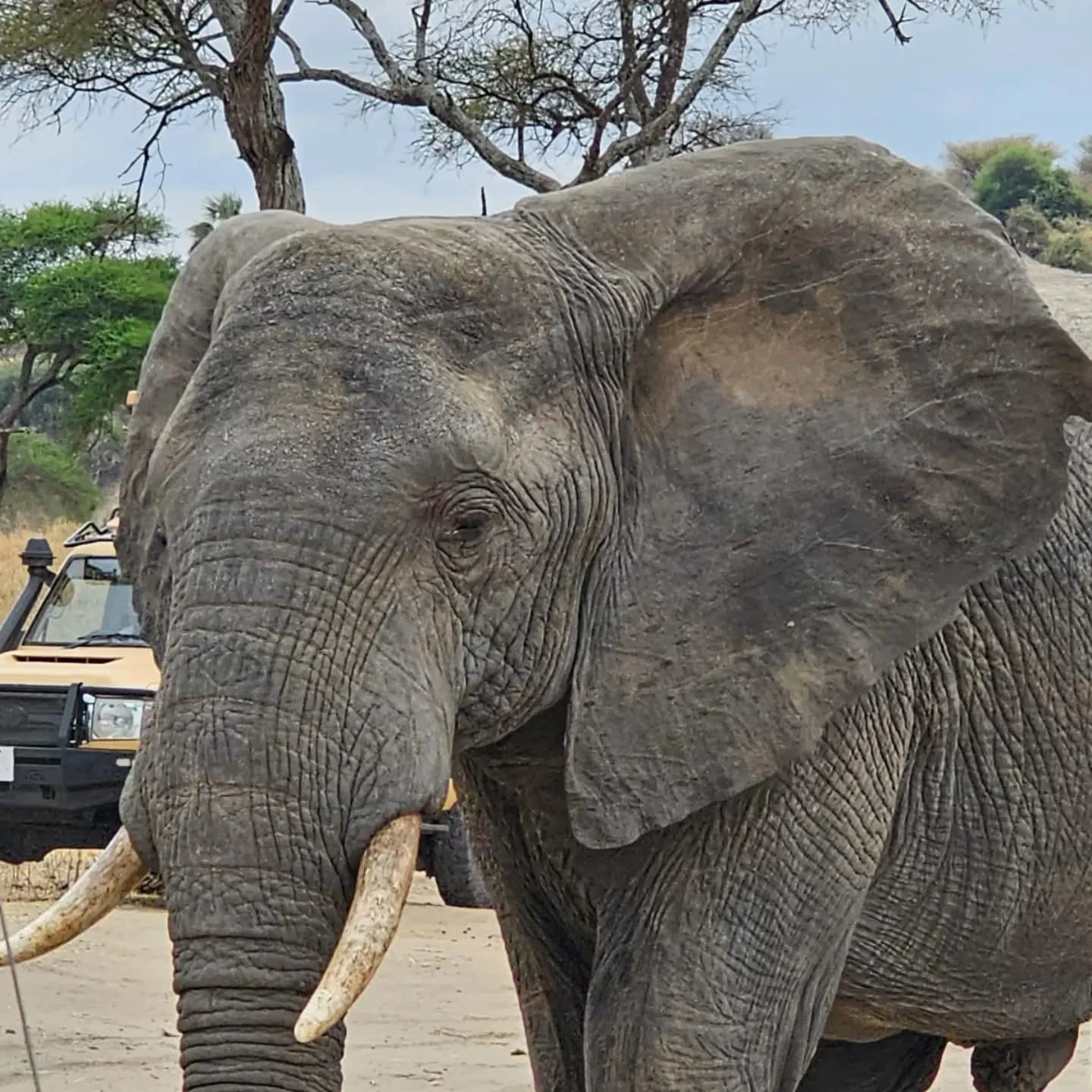
African Safari - Post Kilimanjaro Extension
Experience the magic of this story first-hand. Join our guided conservation expedition and make an enduring difference for wildlife.
- 4 days
- Tanzania
- Level 1
- From £875